Share
Plus: Young men swung for Dems, but will they stay?
 ‌ ‌ ‌ ‌ ‌ ‌ ‌ ‌ ‌ ‌ ‌ ‌ ‌ ‌ ‌ ‌ ‌ ‌ ‌ ‌ ‌ ‌ ‌ ‌ ‌ ‌ ‌ ‌ ‌ ‌ ‌ ‌ ‌ ‌ ‌ ‌ ‌ ‌ ‌ ‌ ‌ ‌ ‌ ‌ ‌ ‌ ‌ ‌ ‌ ‌ ‌ ‌ ‌ ‌ ‌ ‌ ‌ ‌ ‌ ‌ ‌ ‌ ‌ ‌ ‌ ‌ ‌ ‌ ‌ ‌ ‌ ‌ ‌ ‌ ‌ ‌ ‌ ‌ ‌ ‌ ‌ ‌ ‌ ‌ ‌ ‌ ‌ ‌ ‌ ‌ ‌ ‌ ‌ ‌ ‌ ‌ ‌ ‌ ‌ ‌ ‌ ‌ ‌ ‌ ‌ ‌ ‌ ‌ ‌ ‌ ‌ ‌ ‌ ‌ ‌ ‌ ‌ ‌ ‌ ‌ ‌ ‌ ‌ ‌ ‌ ‌

Click here to read a web version of this email.

nola-1-15.jpg

Welcome back to this week in ACPC, friend


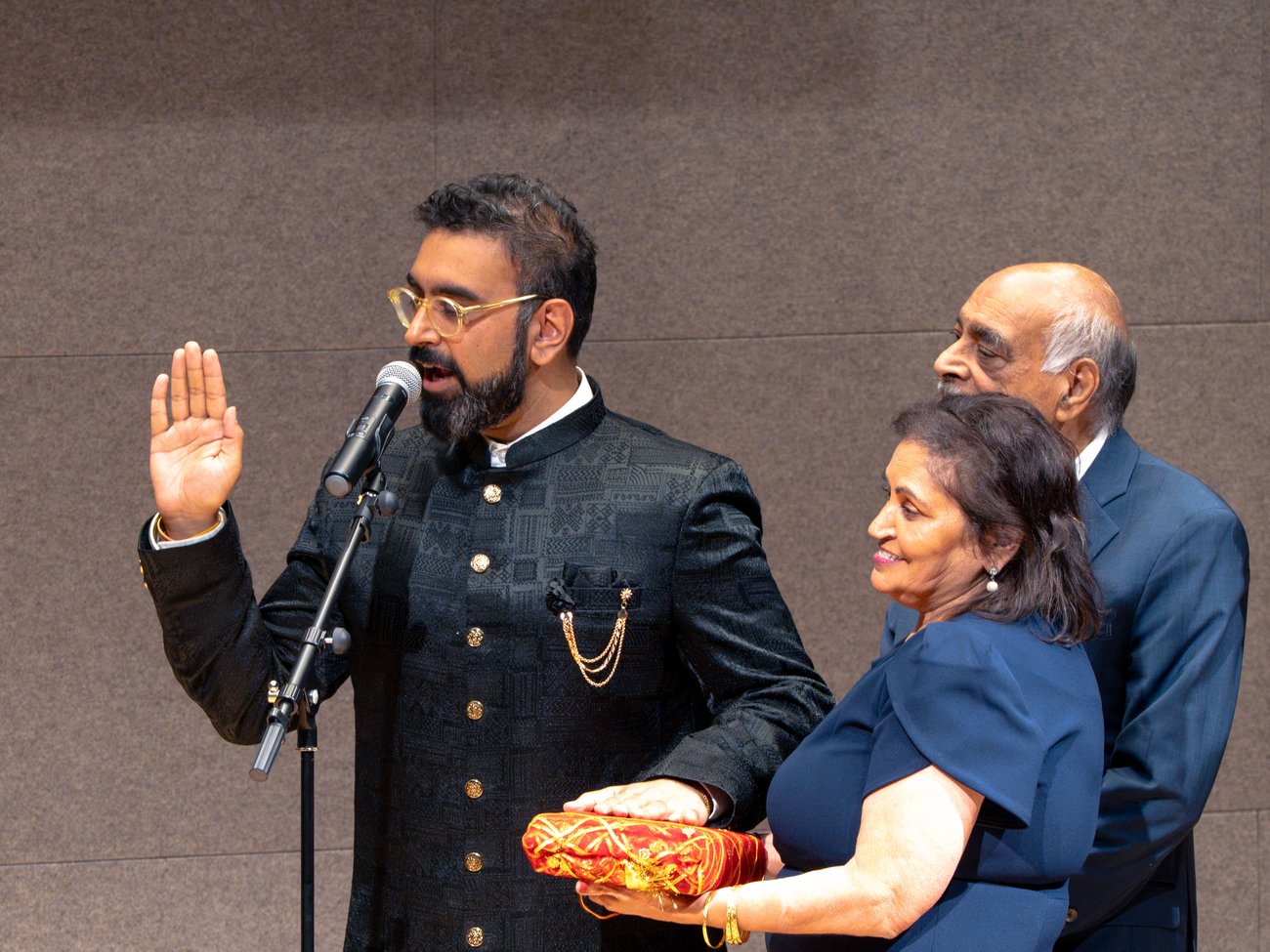
Fulton County District 4 Commissioner Rohit Malhotra was sworn in Monday at the Central Library in downtown Atlanta. 


Rohit won a special election to fill the remainder of Fulton County Commission Chair-elect Mo Ivory’s term. Ivory resigned from her seat on March 6 to run for chair, defeating incumbent Chair Robb Pitts in the May primaries. 


Now for a behind-the-scenes peek at how we think about ethics at ACPC:


Rohit’s victory puts me in an interesting position. Wherever possible, we avoid conflicts of interest, which can include personal relationships. I was a 2024 Center for Civic Innovation fellow under Rohit. The program offered organizational development and leadership training, things I badly needed while helping to build out ACPC with no prior experience as an executive director. 


During his run for City Council president in 2025 and his campaign for Fulton County District 4 commissioner, I recused myself from covering him. Any stories ACPC published during those runs — including our election night coverage — were written and edited by someone else. 


But now he’s a commissioner, and ACPC is a tiny team — one that doesn’t always have the money to pay a freelancer to cover a story. With the election over, I will be covering Rohit. That means is that every time I write a story on him, I’ll disclose my history in an editors note. 


It’s still my preference to avoid the conflict, and you can help do that by becoming a monthly donor today. Until Dec. 31, any new monthly donations will be matched 12 times the first month’s total (up to a $1,000 match), thanks to our partners at NewsMatch. Any previously recurring or new one-time donations during that period will also be matched dollar-for-dollar up to a $1,000 match.

Become a monthly donor during NewsMatch!

Young men swung hard for Dems in 2026. What happened and can Dems hang on to the bloc?

by Alessandro Marazzi Sassoon


Georgia men ages 18 to 29 swung a remarkable 63 percentage points toward Democrats in their partisan voting margin between the 2024 presidential election and the 2026 midterms, according to estimates from The New York Times’ Voter Trends project.


In Georgia’s U.S. Senate race, 75% of young male voters backed Democratic Sen. Jon Ossoff, compared with 25% for Republican Mike Collins, according to Voter Trends models. That same demographic favored Trump and the GOP by 56% to 43% just two years ago. Young Georgia women also shifted back toward Democrats by 40 points after a rightward shift in 2024.


Nationally, the overall U.S. House vote shifted 13 points toward Democrats compared with the 2024 presidential vote. But among men ages 18 to 29, the swing was 40 points. In Texas, the shift among young men reached 68 points, while Michigan saw a 47-point shift.


The massive leftward shift of young voters helped reshape the electorate in an election that saw Ossoff win reelection by about 18 points and Democrat Keisha Lance Bottoms defeat Jackson by roughly 9 points in the governor’s race.

But the numbers raise a more complicated question: Have young men genuinely embraced progressive politics, or are they simply rejecting the Republicans they supported two years ago?


Interviews with voters, political scientists, elected officials, a clinical psychologist specializing in men and masculinity, and a young Republican campaign worker suggest the latter explanation may be more accurate.


Read ACPC's full analysis 

Fulton County Board of Commissioners declares gun violence a public health crisis 

nola-1-13.jpg

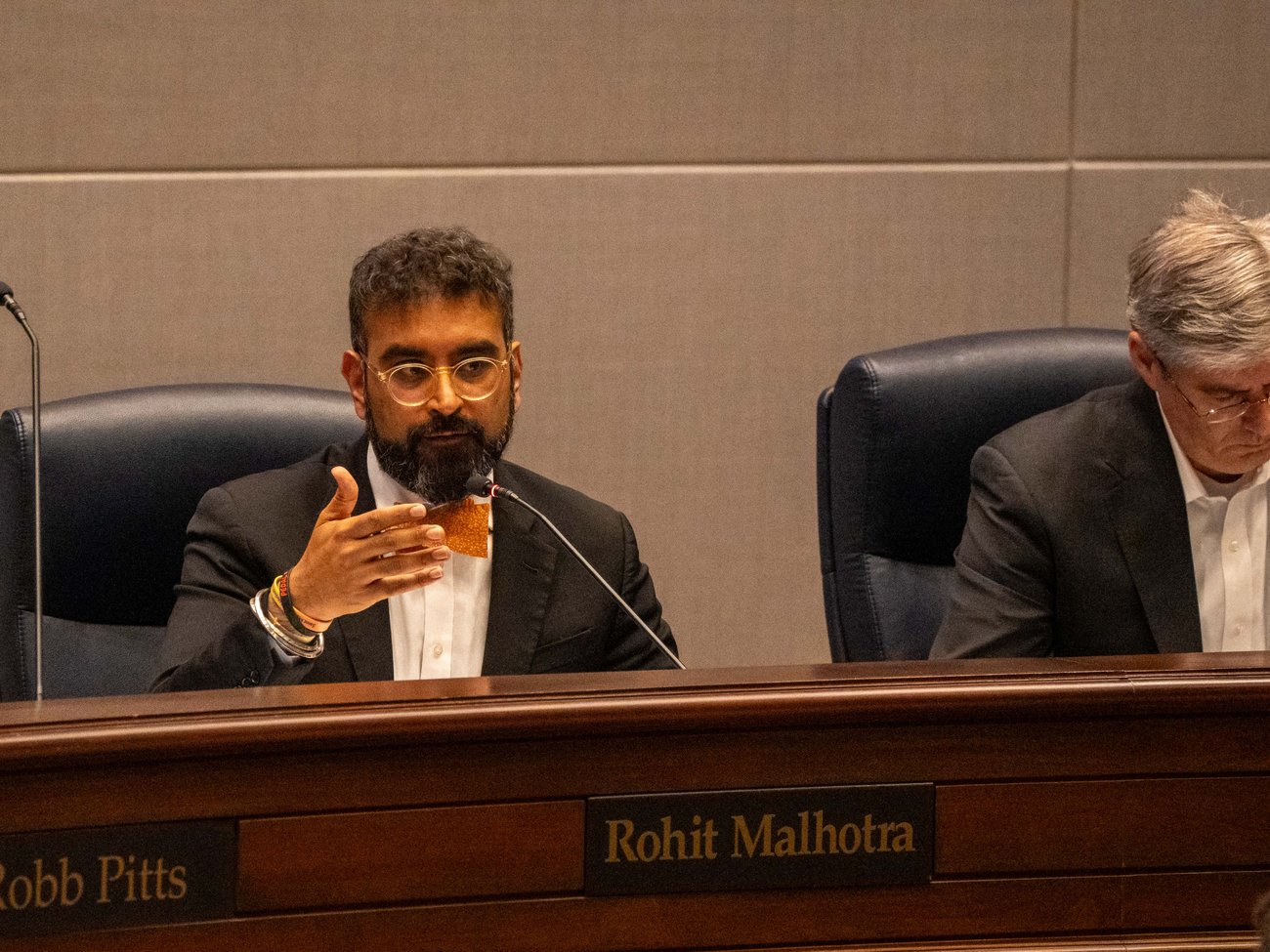
Rohit Malhotra attends his first meeting of the Fulton County Board of Commissioners as the District 4 representative at the Fulton County Government Center in Downtown Atlanta on Wednesday, November 18, 2026. (Matt Scott/ACPC)

During his swearing-in ceremony Monday, District 4 Commissioner Rohit Malhotra pledged to end gun violence in Fulton County. Two days later, he sponsored a resolution to begin addressing the gun violence crisis. The commission ultimately adopted it — but only after making Malhotra sweat a bit. 


The resolution, which was put on the agenda by outgoing Commission Chair Robb Pitts, declares gun violence a public health crisis in Fulton County and dedicates at least $500,000 to solving the crisis — a much-needed lifeline for community violence intervention organizations. 


The funding will go to Grady Hospital's Interrupting Violence in Youth and Young Adults program, which will quarterback the use and distribution within the community violence intervention field. 


Facing funding shortfalls because of federal cuts under President Donald Trump’s administration, a coalition of community violence intervention groups approached the city of Atlanta during the fiscal year 2027 budget planning season to ask the city to dedicate 1% of its general operating budget to violence intervention. The City Council approved $4.3 million — about half of what the organizers requested. But community violence intervention organizations have been unable to access the money. Rather than support these organizations through large donations, the mayor’s office told 11Alive that it would issue a request for proposals — the same formal process any service provider would go through for a city contract. Nearly five months into the fiscal year, the city has yet to post that request for proposals. 


Thus the need for Fulton County to step up. Violence intervention organizers flanked Malhotra during a news conference Wednesday morning and underlined the need their organizations have for funds to address the crisis. Those same organizers also spoke during public comment to urge the commission to adopt the resolution. 


Fulton County Solicitor Keith Gammage joined the chorus of public comment, speaking in favor of the effort and thanking Malhotra for bringing it forward. Fulton County Manager Dick Anderson and Chief Operating Officer Pamela Roshell also voiced their support when asked by commission members. 


The Commission debated the resolution for about a half hour. 


District 3 Commissioner Dana Barrett objected to how the legislation was introduced, including that the resolution text was not attached to the agenda. She said that commissioners did not receive a copy of the resolution until 7 p.m. last night. 


I also requested a copy of the resolution Wednesday, but have yet to receive it.


District 1 Commissioner Bridget Thorne — who abstained from the vote — said gun violence wasn't an issue for North Fulton, which she represents. She said she left the city of Atlanta because of gun violence. 


Thorne also expressed concern that the text of the resolution was not placed on the agenda prior to the meeting. 


"I checked 


Malhotra’s resolution initially proposed $1 million in funding, but District 6 Commissioner Khadijah Abdur-Rahman moved to reduce the funding to a minimum of $500,000. 


"Sometimes a yes vote needs to come with work," Adbur-Rahman said.


Ultimately, the resolution was adopted with a 4-0 margin. 

Stories from our friends:

How a Rise in Black Male Voters Helped Georgia Democrats Win Big in November by Chauncey Alcorn for Capital B Atlanta


Historically, Black men are among the most infrequent voting demographics, but they’re also among the Democratic Party’s most loyal voting blocs, second only to Black women.


Black voter mobilization activists credit an increase in Black male voting on Nov. 3 with helping eight Black female candidates make history.


The secretary of state’s office reports a surge in overall Black voter participation with helping Georgia set a midterm election turnout record. More than 4.2 million people cast ballots in this year’s election, up from about 3.9 million in 2022.


The exact number of Black men who voted in this election hasn’t been confirmed yet, but NBC News exit polling data shows they made up a slightly larger share (12%) of this year’s turnout than they did during 2022 (11%).


The increase was enough to make Bottoms the first Black woman governor in U.S. history. Bottoms received 89% of the Black male vote, while her opponent gained just 10%, according to NBC.


Read more. 

Men in Folkston ICE facility end hunger strike after 30 days by Gabriela Henriquez Stoikow

Anti-Flock protesters return to Atlanta City Hall unhappy with possible new rules by Chamian Cruz for WABE


Email Marketing by ActiveCampaign